
A well-designed workplace does more than look coherent. It supports the small choices people make all day: where to focus, where to speak privately, when to move, and how to work with others without causing disruption. When those choices feel obvious, the space can seem calm and considered rather than controlled by furniture or decoration.
The starting point is usually observation rather than appearance. A team that spends long periods on concentrated work has different needs from one that moves between short conversations, client meetings and shared tasks. Designers therefore need to understand how people actually use the space, including where noise builds up, which routes become crowded and which areas sit empty. Commercial furniture manufacturers can support this thinking by offering products that suit several patterns of work instead of forcing every activity into the same setting.
Comfort matters, but it is broader than a supportive chair. People also respond to light, distance, temperature, sound and the amount of visual activity around them. A desk placed beside a busy walkway may be technically usable yet difficult for focused work. Equally, an enclosed meeting area may feel uncomfortable if it has poor sightlines or little sense of connection with the rest of the workplace. The best planning balances protection from distraction with enough openness to prevent people feeling isolated.
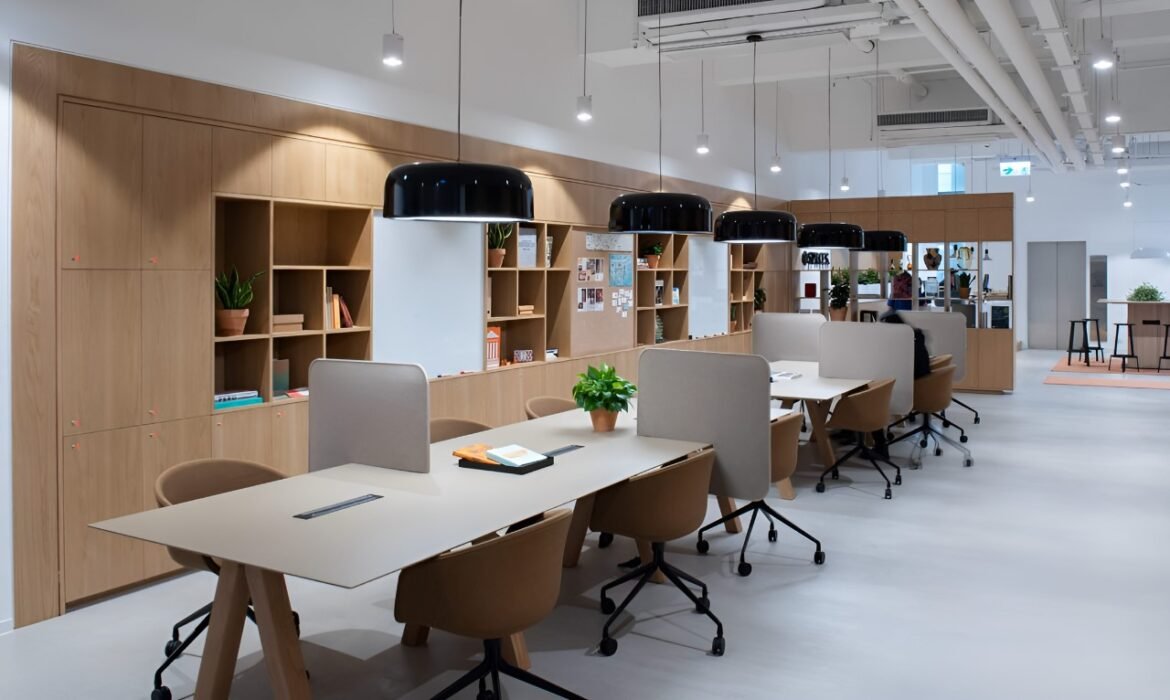
Choice is another strong sign that a workspace has been designed around people. Different tasks call for different postures and levels of privacy, so a single standard workstation cannot answer every need. A mix of work tables, soft seating, quieter rooms and informal meeting points gives people practical options. Here, commercial furniture manufacturers influence more than style. Dimensions, durability, mobility and the way products relate to one another can all affect whether a space adapts easily as work changes through the day.
Movement should also feel natural. Clear routes reduce interruptions and make shared spaces easier to understand. Storage is most useful when it sits near the activity it supports, not simply where there was room left over. Meeting places work better when people can reach them without crossing through concentrated work areas. These details are easy to overlook on a plan, yet they often decide whether the finished workplace feels effortless or awkward.
A people-centred workspace also allows some degree of identity. That does not require every area to be customised. It can come from giving teams places to display work, providing flexible settings for different group sizes, or choosing materials that feel appropriate to the organisation rather than generic. Consistency still matters, but it should create coherence rather than sameness. A workplace can have a clear visual language while offering several ways to use it.
Long-term usefulness is part of the same idea. Teams change, technology changes and the balance between individual and group work can shift. Spaces that are too fixed can become frustrating even if they worked well at opening. Working with commercial furniture manufacturers that consider reconfiguration, maintenance and compatible product ranges can make future changes simpler, although the right approach will depend on the building and the organisation.
Another useful test is how easily new people understand the workplace. A visitor, new starter or colleague from another team should be able to read the basic logic without a long explanation. Repeated cues in furniture, lighting and layout can signal where conversation is welcome and where quieter behaviour is expected. That clarity reduces dependence on rules and makes the environment feel more intuitive from the first day.
The clearest test is not whether visitors immediately notice the design. It is whether people can find the right setting for the task, move without unnecessary friction and stay comfortable through normal working routines. A workplace designed around people feels intentional because its decisions answer real behaviour. The visual result still matters, but it becomes part of a wider system that makes everyday work easier to understand and use.