
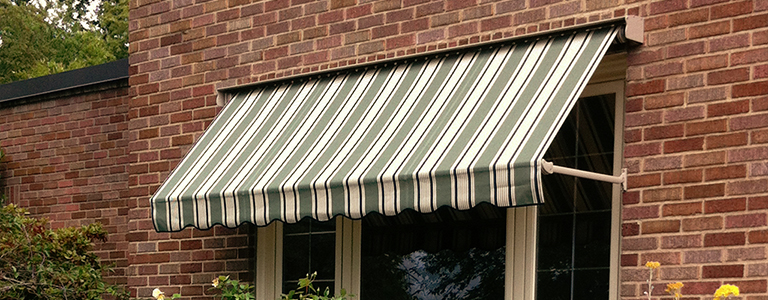
An outside awning does more than provide shade it adds comfort, protects your outdoor space, and enhances the overall look of your home. However, constant exposure to changing weather conditions means it needs proper care to stay in good condition year after year.
If you’ve invested in outside awnings, weatherproofing them is essential. With the right approach, you can protect your awning from rain, wind, sun damage, and general wear, ensuring it remains both functional and visually appealing for longer.
Why Weatherproofing Your Awning Matters
Outdoor awnings are designed to handle the elements, but that doesn’t mean they are immune to damage. Over time, exposure to UV rays, moisture, and dirt can weaken the fabric, fade colours, and even affect the structural components.
Weatherproofing helps to:
- Prevent water penetration and mould growth
- Protect fabric from fading and cracking
- Extend the lifespan of the frame and mechanisms
- Maintain the overall appearance of your outdoor space
Without regular maintenance, even high-quality outside awnings can deteriorate faster than expected.
Understanding the Impact of Weather Conditions
Before exploring solutions, it’s important to understand what your awning is up against.
Rain and Moisture
Persistent rain can seep into untreated fabric, leading to mildew, stains, and unpleasant odours. Moisture trapped in folds can accelerate deterioration if not properly managed.
Sun Exposure
Strong sunlight can cause fading and weaken fibres over time. This is especially noticeable in darker fabrics, which tend to absorb more heat.
Wind and Debris
Heavy winds can strain the structure, while dust, leaves, and debris can accumulate and cause damage if left uncleaned.
Understanding these factors allows you to take targeted steps to protect your awning effectively.
Essential Steps to Weatherproof Your Awning
Weatherproofing doesn’t have to be complicated. With a few consistent practices, you can significantly improve durability.
Clean the Fabric Regularly
Dirt and grime can trap moisture and lead to staining. Use mild soap and water to clean the fabric, and avoid harsh chemicals that may damage protective coatings.
Allow the awning to dry fully before retracting it. This simple step helps prevent mould and mildew from developing.
Apply a Protective Coating
Waterproofing sprays or fabric sealants can create a protective barrier against moisture. These products are particularly useful for older awnings where the original coating may have worn off.
Always follow the manufacturer’s instructions and test the product on a small area first.
Check for Structural Issues
Inspect the frame, joints, and brackets regularly. Tighten any loose fittings and look for signs of rust or wear. Addressing small issues early prevents larger, more costly problems later.
Retract During Extreme Weather
While awnings are built to withstand normal conditions, it’s best to retract them during storms or strong winds. This reduces stress on both the fabric and the frame.
Practical Maintenance Tips for Long-Term Protection
To keep your awning in excellent condition, adopt a routine maintenance approach.
- Brush off loose debris such as leaves and dust regularly
- Clean spills or stains promptly to prevent permanent marks
- Inspect seams and edges for early signs of wear
- Lubricate moving parts to ensure smooth operation
- Store the awning properly during extended periods of non-use
These small, consistent actions can make a significant difference in preserving your awning’s quality.
Choosing the Right Materials for Durability
Not all awnings are created equal. The materials used play a crucial role in how well they handle weather conditions.
Fabric Quality
Look for fabrics designed with UV resistance and water-repellent properties. Acrylic and polyester blends are commonly used for their durability and resistance to fading.
Frame Construction
Aluminium frames are a popular choice due to their resistance to rust and corrosion. A strong frame ensures the awning can withstand varying weather conditions without compromising stability.
When selecting an awning, considering these factors from the outset can reduce the need for frequent repairs.
Signs Your Awning Needs Attention
Even with proper care, wear and tear can occur. Recognising early warning signs helps you act before the damage becomes severe.
Common indicators include:
- Fading or discoloration of fabric
- Water pooling or leakage during rain
- Difficulty extending or retracting the awning
- Visible rust or loose components
Addressing these issues promptly can extend the life of your awning and maintain its effectiveness.
Seasonal Care: Adapting Your Approach
Different seasons bring different challenges, so adjusting your maintenance routine is key.
Spring and Summer
Focus on cleaning and applying protective coatings. Increased sun exposure means UV protection is especially important during these months.
Autumn
Remove fallen leaves and debris regularly to prevent moisture build-up. This is also a good time to inspect for any damage before winter.
Winter
If your awning is not designed for heavy weather, consider retracting it for extended periods. Ensuring it is clean and dry before storage will help prevent long-term damage.
Conclusion
Weatherproofing your awning is not a one-time task but an ongoing process that protects your investment. By cleaning regularly, applying protective treatments, and staying alert to early signs of wear, you can significantly extend its lifespan.
Whether you already have an outdoor awning or are considering installing one, proper care ensures it continues to provide comfort, shade, and style for years to come. A little attention now can save time, effort, and expense in the future.