

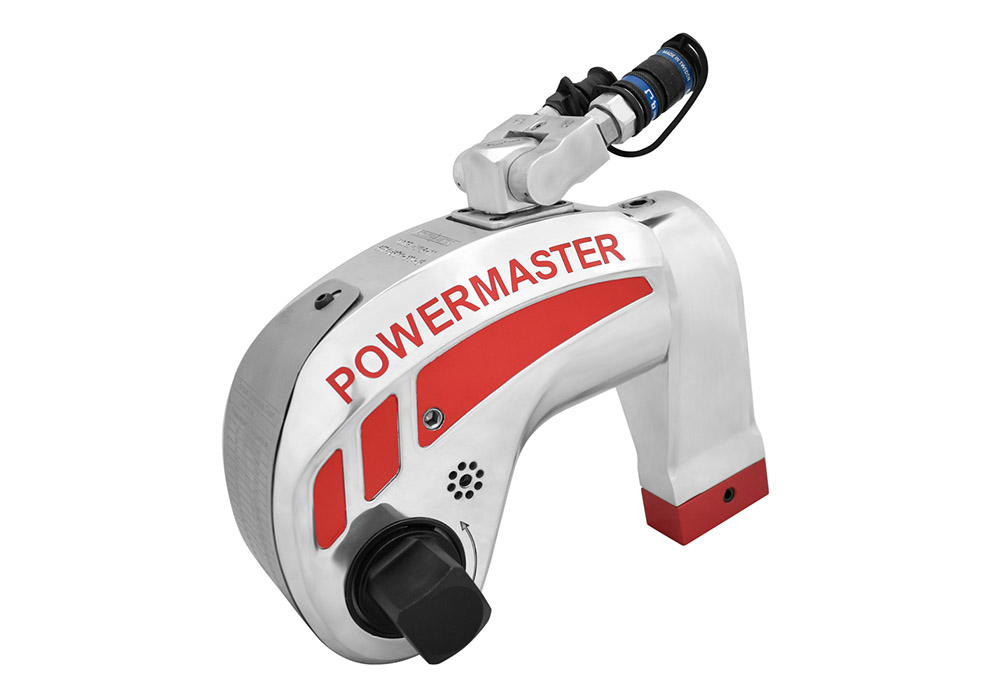
Modern industries that include oil & gas, power plants, shipbuilding, and heavy machinery maintenance have developed methods to fasten large bolts without manual labor. The hydraulic torque wrench has transformed engineering methods that engineers use to execute high-load bolting operations. The system provides controlled force, which decreases human effort and maintains exact precision in situations that require high accuracy.
The industrial sector has shifted from using physical strength to operate tools and manual machines, which lack precision, to using hydraulic systems, which transform fluid pressure into exact rotational power. The process has created better safety conditions, together with improved operational efficiency and increased reliability for heavy-duty fastening tasks.
What Makes Hydraulic Torque Technology Different?
The hydraulic torque wrench functions according to a basic yet strong mechanism that uses hydraulic pressure to move a piston that generates turning force for fastener tightening. The hydraulic system functions as a single unit that consists of three components, a hydraulic pump, a high-pressure hose, and a wrench head.
Key advantages of the system:
- It enables users to produce very high torque values with minimal physical effort
- It guarantees consistent bolt tightening results throughout different connection points
- It eliminates the possibility of over-tightening and under-tightening errors
- It functions effectively inside small spaces that require high-load capabilities
- It protects workers by preventing them from experiencing manual work-related stress
The controlled force system provides industries with stable bolt tension, which exceeds the importance of the torque value in essential operations.
Working Principle of a Modern Hydraulic Torque Wrench
The modern hydraulic torque wrench transforms hydraulic power into mechanical movement through a sequence of specific steps:
- The hydraulic pump generates high-pressure fluid
- The pressure travels through hoses to the wrench head
- A piston inside the wrench moves forward
- The drive mechanism rotates, and the bolt tightens through this movement
- The system continues to operate until the designated torque level has been achieved
The controlled system enables operators to maintain consistent tightening results on wide-diameter bolts used in flanges, turbines, and structural assemblies. It cuts downtime by enabling faster and more precise tightening than manual tools.
With a clear idea of how it operates, its role across industries becomes easier to recognize.
Industrial Impact and Performance Benefits
Hydraulic torque systems improve industrial fastening tasks. Their impact includes:
- Oil & gas pipelines: leak-proof flange tightening
- Power generation plants: secure turbine and boiler assemblies
- Heavy construction: stable steel joints
- Manufacturing units: precision equipment assembly
Additional benefits: extended torque range, better preload control, reduced maintenance mistakes, and improved productivity.
Beyond performance improvements, safety and accuracy remain critical factors in high-load fastening operations.
Safety and Accuracy in Critical Operations
Hydraulic systems improve safety because they decrease the need for operators to use their physical strength and their decision-making abilities. The hydraulic torque wrench provides accurate torque regulation, which produces uniform results and decreases the chances of mechanical breakdowns, and creates safer work environments while operators experience less exhaustion during extended activities. Modern industrial maintenance strategies rely on operational efficiency as a principal factor that determines their effectiveness.
Efficiency in Modern Maintenance Workflows
Hydraulic systems help teams complete work faster with high accuracy. They support rapid setup and controlled operation. These tools are ideal for large flange connections, industrial machinery assembly, pressure vessels, and heavy structural joints, improving uptime and reducing delays. Considering these advantages, hydraulic torque systems have become an essential part of modern industrial operations.
Conclusion
Hydraulic torque systems deliver power through their precise control capabilities, their ability to maintain steady performance, and their safety features for vital operations. The technology enables industries to achieve correct torque application through its precise torque capabilities and its serrating tool systems, which enhance surface grip for secure fastening operations in high-pressure environments.
The development of new industrial standards will maintain hydraulic torque technology as the fundamental technology that creates reliability and operational efficiency and structural strength for heavy-duty applications.