
Client comfort often begins long before a haircut, coloring session, or scalp treatment starts. The wash area creates the first extended interaction between the customer and the service environment, making comfort, positioning, and operational efficiency critical for salon businesses. Poorly planned shampoo sections can interrupt workflow and negatively influence the overall perception of service quality.
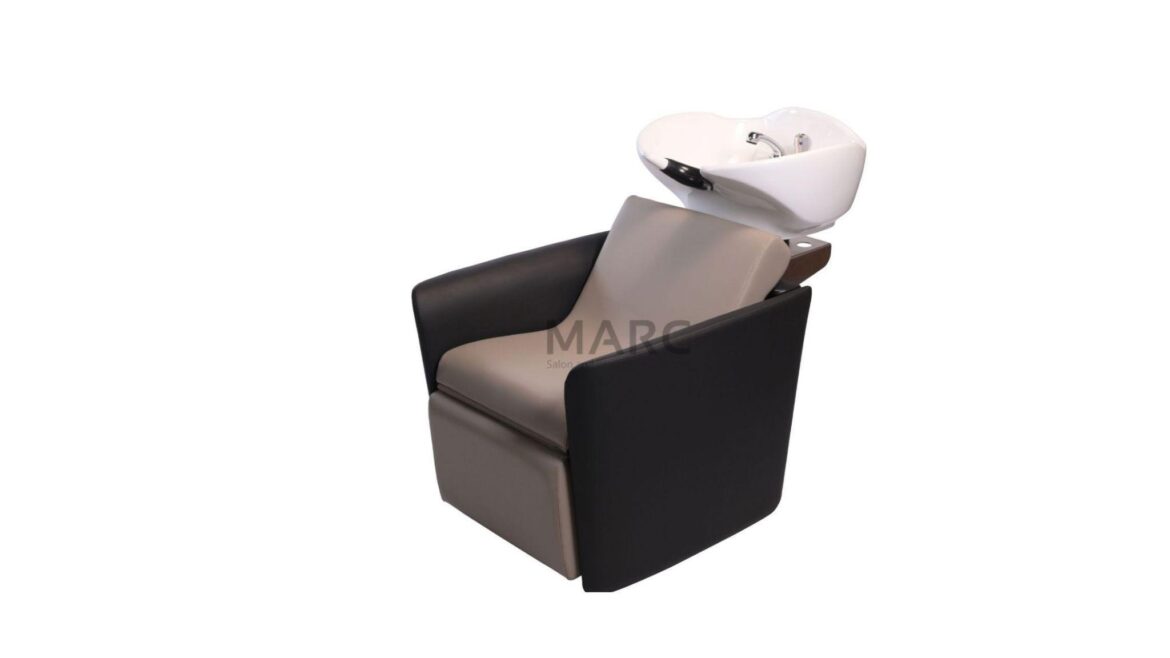
Modern salon businesses increasingly prioritize ergonomics, plumbing accessibility, and seating structure while selecting a hair wash station in India for commercial interiors. A carefully designed setup improves stylist movement, supports better neck positioning for clients, and allows smoother transitions between consultation, cleansing, and treatment procedures. Practical furniture selection also contributes to cleaner space organization and improved operational consistency.
Ergonomic Design Supports Long Service Hours
Salon professionals often handle continuous appointments throughout the day, which makes operator comfort an important consideration during furniture selection. Improper sink height or poorly angled backwash systems may increase physical strain during repetitive shampooing procedures. Ergonomic construction supports better posture and smoother workflow management.
Client positioning also affects the overall washing experience. Reclined seating with proper neck cushioning minimizes discomfort during longer cleansing sessions or treatment applications. Stable chair support paired with balanced basin placement creates a more professional service environment for both staff and visitors.
Material Selection Influences Maintenance Efficiency
Commercial salon furniture experiences constant exposure to water, chemical products, hair color residue, and regular cleaning agents. Durable construction materials help maintain appearance and structural reliability despite repeated daily usage. Surface resistance becomes especially valuable in high-traffic salon environments.
Many professional wash units now incorporate ceramic basins, reinforced upholstery, and moisture-resistant structures designed for commercial durability. Easy-to-clean finishes support hygiene maintenance while reducing downtime between appointments. Reliable materials additionally contribute to a more polished presentation across the workspace.
Space Planning Improves Operational Workflow
Floor layout directly affects how efficiently staff members move between styling, treatment, and washing zones. Compact interiors require furniture placement that supports circulation without creating congestion during busy appointment schedules. Thoughtful planning allows salons to maximize productivity while maintaining client comfort.
Several operational elements contribute to more effective wash area organization:
- Backwash placement should support easy plumbing access and uninterrupted staff movement.
- Reclining chairs need adequate spacing for technician positioning during treatments.
- Storage integration helps maintain cleaner workstations around cleansing sections.
Basin Angle and Neck Comfort
Improper basin positioning may place unnecessary pressure on the neck during shampoo sessions. Adjustable angles and cushioned support improve comfort during extended treatments. Balanced alignment additionally helps stylists maintain better operational control.
Water Management and Plumbing Access
Efficient plumbing integration reduces maintenance interruptions and supports smoother daily operation. Accessible connections simplify servicing while minimizing potential leakage concerns. Organized pipe routing also improves overall interior presentation.
Upholstery Durability Under Frequent Use
Commercial seating surfaces must withstand continuous client turnover throughout the day. Reinforced upholstery materials resist moisture exposure while maintaining structural integrity. Proper cushioning additionally contributes to a more refined customer experience.
Mobility Around Service Zones
Technicians require adequate movement space while handling shampooing, conditioning, or scalp treatments. Restricted positioning may reduce efficiency during multi-step procedures. Open circulation areas support faster transitions between service stages.
Equipment Configuration Affects Client Experience
Wash stations function as more than utility furniture within a salon environment. The cleansing area often determines whether a client perceives the visit as rushed or professionally organized. Comfortable seating combined with stable water flow contributes to a more relaxing service sequence.
Businesses evaluating a salon wash station frequently consider basin depth, reclining flexibility, and service accessibility before finalizing a purchase decision. Proper equipment configuration helps reduce splashing, supports easier treatment application, and improves technician control during cleansing procedures. Operational reliability also contributes to better appointment management across busy schedules.
Storage Integration Enhances Workspace Organization
Shampoo sections often require quick access to cleansing products, towels, treatment solutions, and styling essentials. Poor storage planning may create clutter around wash areas, reducing both efficiency and visual appeal. Integrated storage supports cleaner presentation and smoother workflow management.
Cabinet systems positioned near wash units help technicians maintain organized operations during consecutive appointments. Accessible shelving additionally minimizes unnecessary movement during treatment procedures. Functional organization contributes to faster service execution without compromising workspace appearance.
Customization Supports Different Salon Layouts
Commercial salon interiors vary significantly depending on available floor area, treatment specialization, and appointment capacity. Furniture flexibility allows businesses to select configurations that match operational requirements without overcrowding the workspace. Modular planning becomes particularly valuable during expansion or renovation projects.
Certain professional furniture manufacturers also offer customization options for upholstery finishes, structural dimensions, and workstation layouts. Adaptable configurations support stronger alignment between brand presentation and daily operational requirements. Flexible planning helps businesses maintain consistency across multiple service areas.
Hygiene Standards Influence Long-Term Business Reputation
Cleanliness expectations continue to shape customer perceptions within the beauty and grooming industry. Wash areas require furniture surfaces that support quick sanitation without damaging upholstery or basin materials. Easy maintenance contributes directly to operational reliability.
Drainage efficiency also plays an important role in maintaining hygiene standards around shampoo sections. Water accumulation near service zones may create operational disruption and reduce overall presentation quality. Professional-grade furniture construction helps support cleaner daily management.
Selecting Commercial Furniture for Scalable Operations
Growing salon businesses often evaluate furniture investments based on durability, maintenance requirements, and long-term operational value. Reliable equipment reduces replacement frequency while supporting consistent service standards across expanding appointment schedules. Structured investment planning helps improve operational continuity.
Business owners additionally examine installation compatibility, service accessibility, and workflow integration before selecting major furniture components. Commercial wash systems designed for frequent usage typically provide better long-term efficiency compared to temporary alternatives. Stable infrastructure planning strengthens overall salon functionality.
Final Thoughts
Searching for furniture that balances operational efficiency with a refined client experience? Well-designed wash systems contribute significantly to workflow organization, technician comfort, and long-term maintenance reliability. MARC Salon Furniture continues to support professional businesses with commercial-grade solutions, customization flexibility, and dependable shampoo station for salon requirements tailored for modern salon environments across India.