

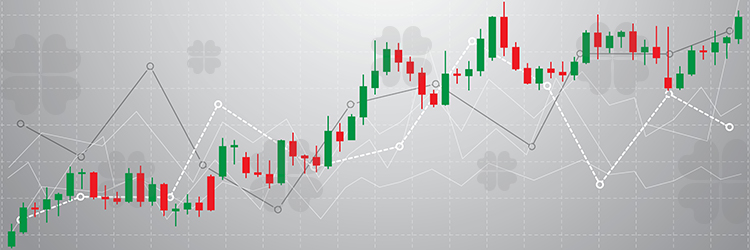
Candlestick patterns are an essential tool in the arsenal of technical traders, widely used across financial markets, including stocks, commodities, cryptocurrencies, and foreign exchange markets. Originating in 18th-century Japan, candlestick charts continue to be a popular method of price visualization and market analysis. The value of candlestick patterns lies in their ability to present comprehensive market information in a simple, visually intuitive format. By analyzing patterns formed by candlesticks, traders can better predict price movements, recognize market sentiment, and make informed trading decisions.
This article explores the various types of candlestick patterns used in technical trading, their significance, and how they apply to foreign exchange markets.
What Are Candlestick Patterns?
Before diving into the types of candlestick patterns, it’s crucial to understand their basic structure. A candlestick accurately displays price data for a specific time frame, such as 1 minute, 5 minutes, 1 hour, 1 day, or more. Each candlestick consists of four important components:
- Open Price: The price at which the asset starts the period.
- Close Price: The price at which the asset ends the period.
- High Price: The highest price reached during the period.
- Low Price: The lowest price reached during the period.
This data is categorized into the “body” (the range between the open and close prices) and the “wicks” or “shadows” (the lines above and below the body representing the high/low prices). Candlesticks are usually color-coded (e.g., green or white for bullish candlesticks and red or black for bearish candlesticks).
Candlestick patterns emerge when one or more candlesticks form distinctive shapes or sequences. These patterns provide insights into potential market behavior and help traders forecast future price movements.
Types of Candlestick Patterns
Candlestick patterns are categorized into two main types: reversal patterns and continuation patterns. Additionally, within each category, traders use single candlesticks or combinations of two or more candlesticks to identify price movements. Below, we highlight some of the most commonly used candlestick patterns in technical trading.
1. Single Candlestick Patterns
Single candlestick patterns consist of just one candle, making them simpler to identify. Despite their simplicity, they can still offer valuable insights into market trends.
a) Doji
The Doji is a candlestick pattern that signals indecision in the market. It occurs when the open and close prices of the asset are nearly identical, forming a small body with long wicks. Dojis indicate a balance between buyers and sellers, suggesting that a reversal or continuation could follow, depending on the preceding trend.
- Significance in Foreign Exchange Markets: In forex trading, Doji patterns often occur during periods of low liquidity or before major economic news announcements.
b) Hammer
The hammer is a bullish reversal pattern that appears at the bottom of a downtrend. It has a small body and a long lower shadow, suggesting that sellers drove the price lower but buyers regained control and pushed prices back near the opening level.
- Significance in Foreign Exchange Markets: Hammers can signal the end of a bearish trend in a currency pair, prompting traders to prepare for upward momentum.
c) Hanging Man
The hanging man is the bearish counterpart to the hammer. It appears at the top of an uptrend and signals a potential reversal. It has a similar structure to the hammer but often suggests a loss of buyer strength.
2. Double Candlestick Patterns
These patterns involve two consecutive candlesticks and often signal market reversals or continuations.
a) Engulfing Patterns
An engulfing pattern consists of two candles: a smaller one followed by a larger candle that completely envelops the first. These patterns are further classified as:
- Bullish Engulfing: Appears after a downtrend, signaling a potential reversal into bullish territory.
- Bearish Engulfing: Forms after an uptrend, indicating the start of bearish pressure.
- Significance in Foreign Exchange Markets: Engulfing patterns in currency pairs often align with major support and resistance levels.
b) Harami
The harami pattern features a large candlestick followed by a smaller one that fits within the body of the first. This pattern signals indecision and a potential trend reversal. Like engulfing patterns, haramis come in bullish and bearish varieties.
3. Triple Candlestick Patterns
Triple candlestick patterns involve three consecutive candles and often provide clearer signals than single or double candlestick patterns.
a) Morning Star
The morning star is a bullish reversal pattern that indicates the end of a downtrend. It consists of:
- A long bearish candle.
- A small indecisive candle (Doji or spinning top).
- A long bullish candle that erases the losses of the first.
- Significance in Foreign Exchange Markets: Morning stars commonly emerge near support levels in forex markets, indicating the beginning of upward momentum.
b) Evening Star
The evening star is the bearish counterpart to the morning star. It appears at the top of an uptrend and signals a potential reversal.
c) Three White Soldiers
Three white soldiers consist of three consecutive bullish candles with little to no wicks. The pattern signifies strong buying pressure and an upward trend.
d) Three Black Crows
The bearish counterpart to the three white soldiers, three black crows appear during or after an uptrend. The pattern features three bearish candlesticks with little wicks and indicates strong selling pressure.
Continuation Candlestick Patterns
While reversal patterns forecast a shift in market sentiment, continuation patterns indicate that the existing trend is likely to persist.
Bullish and Bearish Flags
Flags are continuation patterns formed by multiple candlesticks that resemble a rectangular shape. In bullish flags, the rectangle tilts downward, while bearish flags tilt upward.
Pennants
Pennant patterns are similar to flags but have converging trendlines. Pennants signal a temporary pause in the trend before the previous momentum resumes.
Using Candlestick Patterns in Foreign Exchange Markets
In foreign exchange markets, candlestick patterns help traders identify entry and exit points for currency pairs. Some specific applications include:
- Recognizing Trend Strength Analyzing candlestick patterns helps traders gauge the strength of trends. For example, long bullish candles with minimal wicks indicate strong upward momentum in the forex market.
- Spotting Reversals Reversal patterns, such as Dojis, hammers, and morning stars, alert traders to the likely end of prevailing trends, signaling optimal times to enter or exit trades.
- Timing Decisions In forex trading, timing is critical due to the constant fluctuations in exchange rates. Candlestick patterns allow traders to anticipate short-term price movements and adjust their trading strategies accordingly.
- Identifying Support and Resistance Levels Candlestick patterns are often validated when they appear near support or resistance levels in foreign exchange markets.
Combining Candlestick Patterns with Other Indicators
While candlestick patterns are valuable tools, they are not foolproof. Most traders combine them with other forms of technical analysis to confirm signals. Common complementary tools include:
- Moving Averages: Traders use moving averages to identify trend direction alongside candlestick patterns.
- Relative Strength Index (RSI): RSI helps determine whether a currency pair is overbought or oversold.
- Volume Analysis: Patterns supported by high trading volume are generally considered more reliable.
Conclusion
Candlestick patterns are a cornerstone of technical trading, offering traders valuable information about market sentiment and price movements. By understanding the various types of candlestick patterns, including single, double, and triple candlestick formations, traders can make well-informed decisions. Whether trading currencies in foreign exchange markets or analyzing assets in other sectors, candlestick patterns remain an invaluable resource.
While candlestick patterns are powerful, they are most effective when combined with other indicators and understood in the context of broader market trends. Aspiring traders should invest time in learning to identify and interpret these patterns to improve their chances of success in technical trading.