

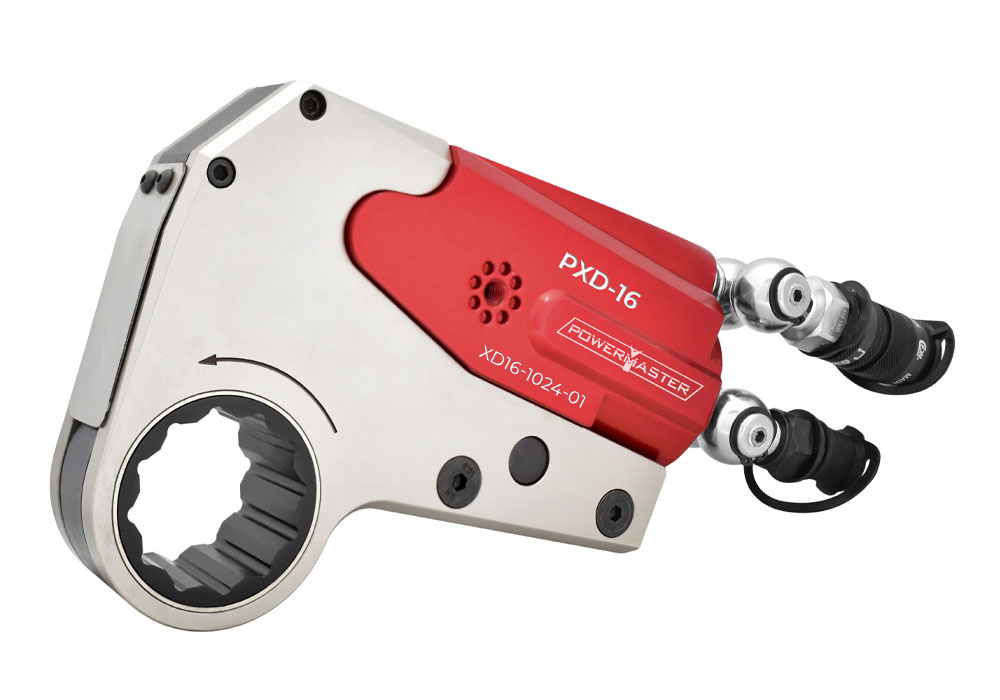
Massive bolted joints in mining plants, wind towers, refineries, and heavy fabrication units face constant pressure, heat, and vibration. Even a small gap in bolt tension can lead to leaks, equipment failure, or costly downtime. That is why a reliable hydraulic torque wrench has become a key tool in heavy-duty maintenance and industrial assembly work. Built for high torque output and repeat accuracy, these tools help technicians tighten large fasteners with control and consistency.
Why Heavy Industries Depend on Hydraulic Torque Systems
Heavy machines often use large bolts that standard hand tools cannot manage safely. Hydraulic systems generate controlled torque through pressurized fluid, which reduces operator strain and improves tightening precision.
Industries prefer these systems because they help with:
- High torque accuracy for critical joints
- Reduced manual effort during long operations
- Better safety in confined work zones
- Faster tightening for shutdown and maintenance tasks
- Repeat results across multiple bolted connections
These advantages become valuable during turbine installation, pipe flange assembly, and structural steel work where bolt failure can stop an entire operation.
Features That Improve Industrial Performance
Modern hydraulic torque tools are compact yet powerful. Their low-profile design allows access to narrow spaces around industrial equipment. Many systems also support interchangeable drives and reaction arms for different job conditions.
A complete setup often includes pumps, hoses, and durable sockets for torque wrench applications. Proper socket selection improves grip, reduces wear on fasteners, and supports safe torque transfer during high-load tightening.
Technicians also value tools that provide:
- Quick setup and easy calibration
- Corrosion-resistant body design
- Stable performance under heavy loads
- Compatibility with multiple bolt sizes
These features help maintenance teams complete tasks with fewer interruptions.
Common Use Cases Across Heavy Industries
Hydraulic torque systems support many industrial sectors where large equipment operates under stress. Common applications include:
- Heat exchanger maintenance
- Wind energy tower assembly
- Cement and steel plant shutdowns
- Offshore and marine equipment servicing
- Petrochemical pipeline connections
In many of these jobs, precision matters more than speed. Uneven tightening can damage flanges, reduce sealing quality, or weaken structural stability.
Choosing the Right Torque Tool Setup
Selecting the right hydraulic tool depends on bolt size, required torque range, workspace clearance, and operating conditions. Teams should also inspect hoses, pumps, and sockets for torque wrench systems before every project to maintain safety and tool life. A reliable equipment partner also plays an important role during industrial operations.
Conclusion
Industrial bolting work demands strength, control, and repeat accuracy. A quality hydraulic torque wrench helps industries maintain secure fastening while reducing downtime and manual strain. For such critical maintenance and heavy assembly operations, companies such as Powermaster are recognized for supporting industrial torque solutions designed for demanding applications. The right torque setup not only improves work speed but also protects equipment performance over the long term.