

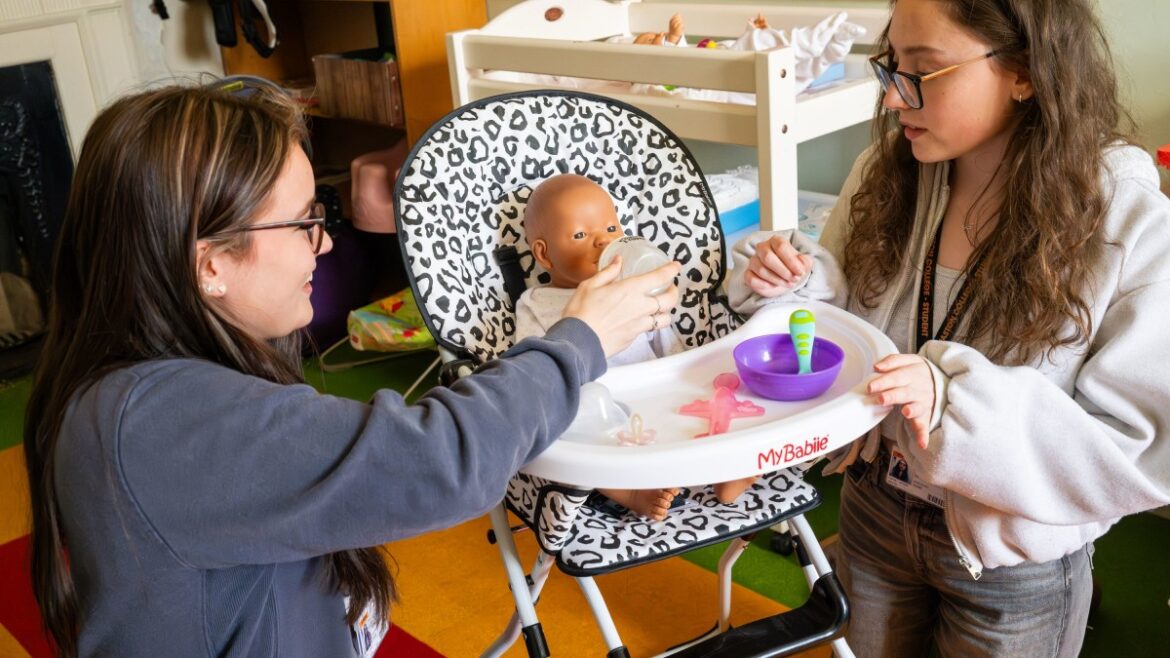
Nursery paint stains under fingernails, the epic saga of naptime, laughter that is somehow sticky with biscuit crumbs, you might say the world of childcare moves in motifs less explored by those outside its corridors. But when you are ready to make a profession out of minding little minds, you are faced with a range of childcare course options in the UK: some obscure, some as familiar as those hummed lullabies.
Curious about which path will set you up to thrive, to make early years education more than simply a nine-to-five? Let’s stroll through the garden of child-centred qualifications, sidestepping generic advice in favour of practical detail at every turn.
Thoughts on Childcare Qualifications
You could spend hours scrolling, finding that childcare qualifications pop up in forms as diverse as snack offerings at a playgroup party. In the UK, these courses funnel into broad categories: regulated qualifications overseen by bodies like NCFE CACHE, City & Guilds, and Pearson Edexcel. Each carries the seal of approval you need for Ofsted-registered workplaces.
What’s Behind Level Badges?
Level 1, Level 2, Level 3, these are not cryptic codes, but the keys you use to open ever-widening doors. You will find your starting level often dictated by your age, academic history, and whether you see yourself supporting teams or leading one. The level you choose has knock-on effects, from daily responsibilities to the kinds of settings that unlock their doors for you.
Entry-Level Childcare Courses
You might picture entry-level childcare courses as bubbly, approachable ways to get your shoes muddy in the current year, early years. Level 1 and Level 2 qualifications are the handrails for this stairway. You will come across foundational options like:
- Level 1 Certificate in Caring for Children.
- Level 2 Certificate or Diploma for the Children and Young People’s Workforce.
These courses invite you to build skills in communication, child development, and safeguarding. They will include both classroom study and real-world placements, so you will see theories in colourful action. And once you finish, doors to nursery assistant roles often creak open. You may work under supervision, supporting activities and learning by doing, the balance of responsibility and learning keeps you nimble.
Some courses require nothing more than keen interest and dedication. In the case that English or maths needs shoring up, providers can offer additional support. It is all about cultivating your first shoots of confidence.
Advanced Childcare Qualifications and Progression
Once you’ve dipped your toes and want to wade deeper, Level 3 and above will be where you turn next. This is the space where you can unlock senior roles, responsibilities dripping with trust, and even management aspirations. If you complete the Level 3 Diploma in Childcare and Education (Early Years Educator), you will find it opens pathways to lead rooms or settings, work unsupervised, and qualify for staff ratios that are always under Ofsted’s watchful eye.
Level 4 and Beyond
If your gaze is fixed further, consider Early Years Foundation Degrees or even full undergraduate routes, such as a BA in Childhood Studies. Some seasoned professionals return for Level 4 Childcare Courses or Diplomas to hone specialist skills, think leadership, mentoring, or SEN (Special Educational Needs) coordination. There’s always one more horizon to chase.
Progression might not be linear. You will cross paths with apprenticeships and work-based routes, which let you earn as you learn. The beauty here is in the blend, academic rigour, morning routines, real children’s voices. The tapestry of advanced childcare qualifications is one of deepening confidence and a widening view.
Specialist and Short Courses in Childcare
Not all learning belongs to lengthy timetables. Sometimes, the gold dust comes in a workshop setting or in the case of a short CPD course. You will find a fascinating sprawl: Paediatric First Aid certifications, short courses in safeguarding, supporting children with ASD or speech and language development, and even forest school leadership.
If you already work in the sector, you might update your skills through single-day sessions or online modules. These are ideal for sharpening knowledge or branching into niches without leaving your current post. They keep your skills vibrant and help meet legal or nursery requirements. In so many ways, these shorter courses offer you the brushstrokes to refresh the big canvas of your career.
Choosing the Right Childcare Course
Standing at the crossroads, clipboard in hand, you might find your head spinning with acronyms and testimonials. The trick? Make this process as bespoke as a toddler’s finger painting. Consider what matters: do you want direct entry to work, or would you rather pursue academic progression? Would learning on the job (apprenticeship) or in a lecture hall stir your enthusiasm?
Don’t skip the details. You will need to check for Ofsted recognition, funding avenues, and placement opportunities. Speak to providers. Some will have part-time, evening, or online formats to nestle around your busy life. Others might offer specialist tracks, outdoor learning, bilingual settings, SEND support.
You will find that talking to those already working in childcare can unearth truths no brochure delivers. What surprised them? What made all the difference? Gathering these nuggets will inform your next step in a way that a prospectus can rarely achieve.
And Lastly
No two journeys into the world of childcare look identical. Your route, be it via a traditional course, online module, or spontaneous leap through an apprenticeship, will gather its own stories, shaped by those lively faces you meet.
In the case that you are still weighing up options, reflect on what you want your days to look like. Would you thrive amid the bright commotion of a nursery, or does the idea of influencing policy at council level give you a buzz? Your best next move is to seek the stories, ask all the awkward questions, and keep curiosity at your elbow. Like any great early years activity, there’s joy in the exploration itself.